Kettle, Commute, Sofa: Judging Whether a CBD Habit Belongs in Your Day
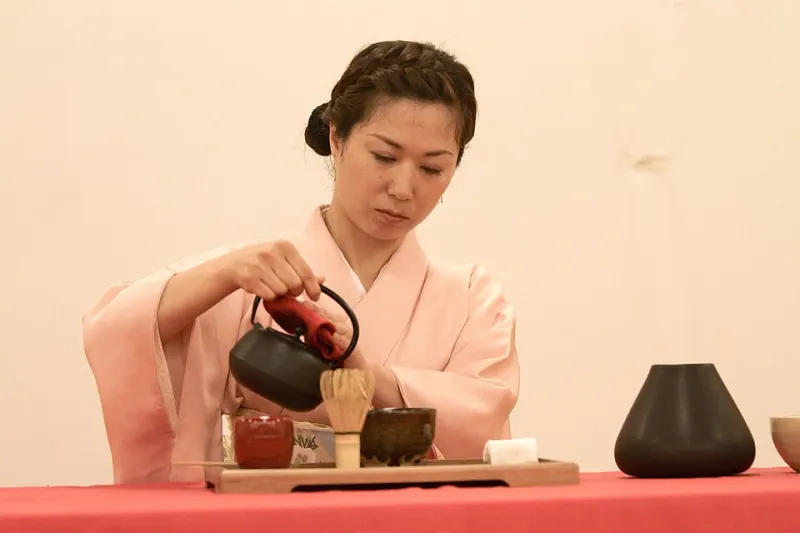
Photo: Georges Seguin (Okki), CC BY-SA 3.0, via Wikimedia Commons
The tea break is a useful test because it is already part of the day. Most UK readers do not need a new lifestyle to accommodate cannabidiol; they need to know whether a product can join the habits that already exist. The morning kettle, the lunchtime walk, the commute home and the Sunday reset are not blank spaces. They are occupied by timing, weather, family life and the small compromises of a normal week. A routine that ignores those realities is unlikely to last.
The kettle test: can it survive a rushed morning?
The morning kettle is a good anchor because it happens most days. It is also a test of format. A dropper oil requires measuring and a moment of attention; a capsule is simpler if the morning is hurried. Putting oil into hot tea is not the same as taking it according to the label, and heat may not suit every product. Follow the manufacturer's directions rather than inventing a breakfast ritual.
Ask whether the routine works on a dark, wet Tuesday when you are late. If it only works on a calm Sunday, it is not yet a routine. Keep the step small: a capsule with breakfast, or drops taken before the kettle boils, if that matches the label. Realistic expectations matter more than elaborate timing.
The lunchtime walk: portability and weather
A walk at lunch is a sensible anchor, but it favours certain formats. Capsules travel well; oils need care and clean hands; balms are easier for local application but not a substitute for an ingestible product. The UK weather is part of the test. A routine that depends on a dry day will fail in November. If the walk is cancelled, the CBD step should have an indoor fallback or be skipped without disrupting the week.
The commute home: a transition, not a treatment
The journey home is often where people want to mark a change of pace. A capsule can fit into a bag; an oil is less convenient on a busy bus or train. If you drive, keep the routine simple and do not introduce anything that affects your alertness. The commute test is not about making the journey medicinal. It is about whether the habit can be done without fuss, and whether it genuinely helps you separate work from the evening.
The Sunday reset: planning rather than performing
Sunday is a natural time to review the week. It is also a good moment to check supplies, opening dates and whether the routine is still useful. A weekly review can be brief: count capsules, note the oil bottle's opening date, and decide whether the coming week needs a simpler format. This is housekeeping, not a ceremony. If the Sunday reset already exists for meal planning or diary checking, CBD can be attached to it without becoming the main event.
The compatibility checklist
Before buying more, judge the routine against ordinary life:
- Does it attach to something you already do most days?
- Would it survive a wet commute, a cold, or a disrupted morning?
- Does the format suit the place where you would use it?
- Does the label give clear timing and storage instructions?
- Can you afford to continue it without strain?
- Will you remember it without setting three alarms?
- Is there a review date, so you can stop if it adds nothing?
- Does it replace a healthier habit, or sit alongside one?
Realistic expectations and a sensible exit
CBD is not a universal solution, and a routine should not create more stress than it removes. Try a defined period, keep a simple note of how it fits, and review honestly. If the habit makes you anxious, costs more than you intended or complicates your day, it has failed the tea break test. That is useful information, not a failure. For anyone taking medication or managing a health condition, ask a pharmacist or GP before starting.
The best CBD routine is unremarkable. It fits beside the kettle, the walk and the Sunday list, and it can be dropped without disruption. That is a modest standard, but it is a realistic one for UK life.