Beyond the Best-Before: A Sensible UK Cupboard Plan for CBD Oils, Capsules and Balms
Photo: Ecig Click, CC BY-SA 2.0, via Wikimedia Commons
Most guidance about cannabidiol stops at the point of purchase. The bottle is chosen, the label is read, and the product is placed in a cupboard. What happens next is less discussed, yet it is where much of the practical responsibility sits. A half-used oil, a part-finished pack of capsules or a balm that has migrated to the bathroom shelf all raise the same questions: is it still suitable, how long has it been open, and when should it be retired rather than guessed at?
Why the half-used bottle deserves a second look
CBD products are not inert. Oils, capsules and balms can be affected by light, heat, air and moisture. In a UK home, those pressures are often ordinary rather than dramatic: a radiator that clicks on in October, a kitchen window that catches the afternoon sun, a bathroom that stays steamy after a shower. None of this automatically makes a product unsafe, but it can make its condition harder to judge. Responsible housekeeping means reducing avoidable variation and knowing when a product has moved beyond its useful life.
Store by format, not by habit
Oils usually benefit from a cool, dark, dry place, stored upright with the cap firmly closed. A kitchen cupboard away from the hob and window is often more suitable than a bathroom cabinet. Some labels permit refrigeration; others do not. Follow the specific product instructions rather than a general rule. Condensation and repeated temperature swings are not helpful.
Capsules should stay in their original container, with the lid closed and any desiccant sachet kept inside. A dry cupboard is generally better than a bathroom, where humidity changes. Balms should be kept clean and in a stable spot, away from hot windowsills and direct sun. The two most common UK mistakes are storing oils in a warm bathroom and leaving balms or capsules on a kitchen windowsill. Both are easy to correct.
Opening dates, batch codes and best-before guidance
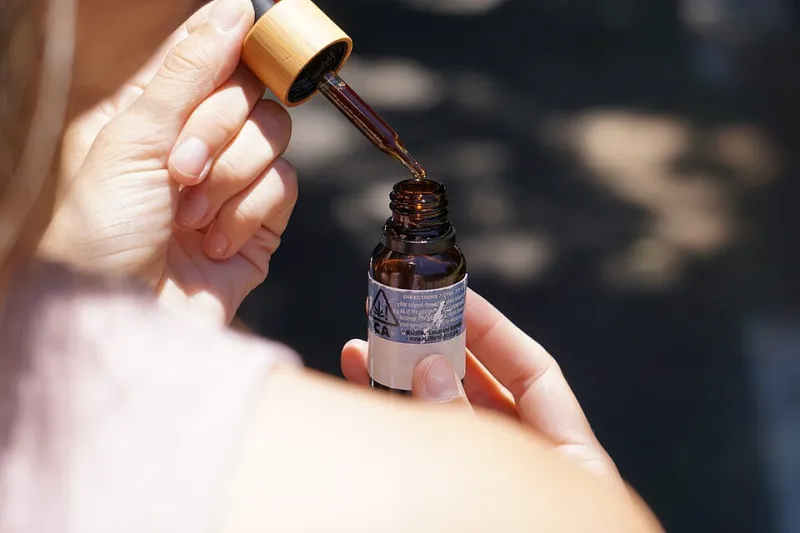
A best-before date is not a universal instruction for every stage of a product's life. It often refers to unopened storage, and once a bottle or tub is opened, the practical clock may be shorter. Write the opening date on the carton or on a small sticker attached to the container. Note the batch code if one is printed. If the label includes a period-after-opening symbol, record that too.
This does not need to become an administrative project. A marker pen and a thirty-second habit are enough. The aim is to avoid the situation where three oils sit together and no one knows which was opened first.
The cupboard audit checklist
Set aside ten minutes and work through the products you actually keep:
- Gather every CBD product from cupboards, bags, bathroom shelves and bedside drawers.
- Check each label for best-before guidance, batch details and any storage instructions.
- Confirm whether the product has been opened and add an opening date if it is missing.
- Inspect the product: smell, colour, texture and packaging condition.
- Separate products that are in date and stored correctly from those that are doubtful.
- Retire anything past its stated date or showing an obvious change.
- Clean the storage area and move products away from heat, steam and direct light.
- Note what remains so you do not buy a duplicate unnecessarily.
When to retire a product
Signs vary by format. An oil that smells rancid, has changed colour markedly or has a damaged cap may no longer be suitable. Capsules that are stuck together, discoloured or odorous should not be used. A balm that has separated, developed an off smell or contains visible contamination should be discarded. If the packaging is damaged or the label is unreadable, the sensible course is to stop and seek advice from the retailer or manufacturer.
Do not rely on guesswork, and do not extend use simply because a product was expensive. If you experience an adverse reaction, stop using it and seek appropriate advice. CBD products are not medicines, and responsible use includes respecting the limits of the label.
A simple seasonal habit
In autumn and winter, when heating systems come on, take a few minutes to move products out of bathrooms and away from radiators. In summer, check windowsills and conservatories. A brief seasonal review is more useful than a rigid system. Keep products out of reach of children and pets, and avoid decanting unless the manufacturer instructs it.
The half-used bottle is not a problem to ignore. It is a small test of household discipline: store it sensibly, date it honestly, inspect it occasionally and retire it when the evidence says so.