The Border Is Not the Place to Improvise: A UK Traveller’s CBD Carry-On Decision
CBD has settled into the routines of many UK consumers, often sitting alongside supplements, skincare and other everyday items. That familiarity can create a false sense of simplicity when travel plans are made. Crossing an international border is a different matter from buying a product in a British shop. The question is not whether CBD feels ordinary at home, but whether it is lawful, acceptable and practical in the country being visited and in every country passed through on the way.
This article offers consumer guidance rather than legal advice. Rules vary considerably between destinations and can change. Anyone considering travelling with CBD should verify the position with official government sources, the relevant embassy or high commission, the airline and, where appropriate, a qualified adviser. Caution is not excessive here; it is the baseline.
Why the Destination Check Comes Before the Packing List
CBD is not treated as a single, universally recognised category. In some countries it may fall within food, cosmetic or medicine rules. In others, cannabinoids are controlled more strictly, and a product that is lawful in the UK may be treated very differently at a foreign border. Some destinations operate zero-tolerance approaches to controlled substances, while others set quantity limits, require permits or restrict particular formats.
A sensible first step is to look at the destination government’s official travel and customs guidance. Check the embassy or high commission pages, the national customs authority and any import rules for medicines, food supplements or cosmetics. Airline guidance is also relevant, but it is not a substitute for the law of the destination. Retailer statements and forum posts should not be treated as confirmation. If the official position is unclear, that uncertainty should be weighed seriously rather than resolved by optimism.
The Transit Country You Did Not Plan For
Travellers often focus on the final destination and overlook the journey itself. A flight may involve a stopover in a country with different rules. Even where a passenger remains airside, local customs or security requirements may still apply, and checked baggage can pass through jurisdictions that impose their own controls. A rail or road journey may involve multiple borders with different expectations.
For that reason, the legality check should cover every country on the itinerary, including short transfers. If a stopover country is restrictive or the rules are ambiguous, the safer course is usually to leave CBD at home. A travel plan that depends on a border official accepting an explanation is not a robust plan.
Security, Liquids and the Original Container
Airport security screening is not a legality check. It is designed to identify prohibited items and to apply carriage rules, such as liquid limits. CBD oils are liquids for practical purposes and may need to fit within the relevant cabin baggage allowance. Capsules and balms have their own packaging considerations. None of this tells the traveller whether the product may lawfully be imported at the other end.
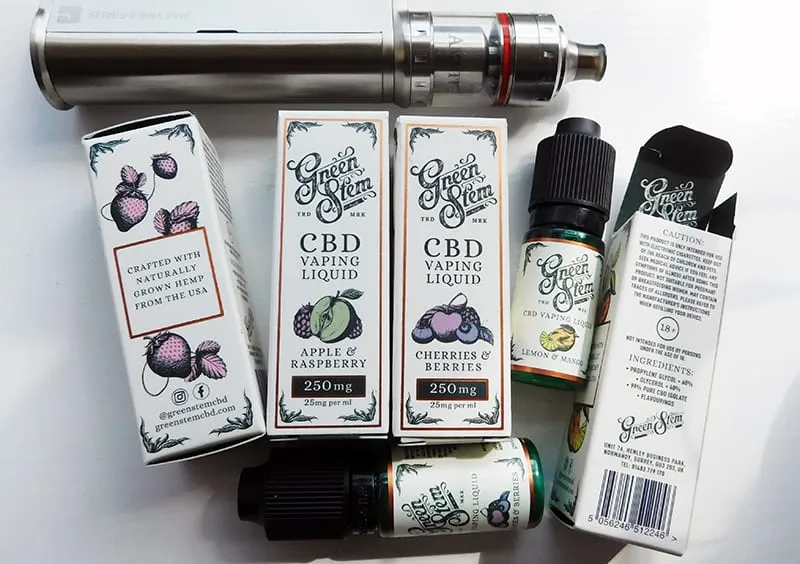
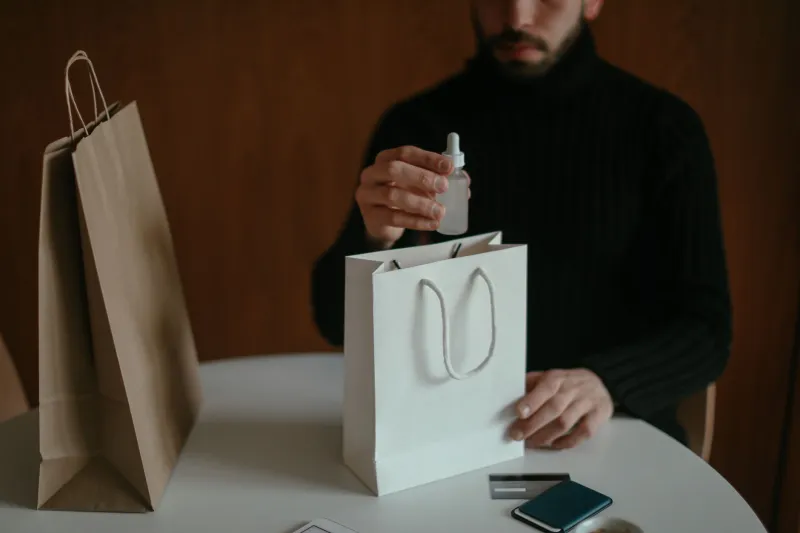
If CBD is carried, it should remain in its original, sealed packaging wherever possible. Decanting oil into an unmarked bottle weakens the ability to show what the product is, who made it and what it contains. Original packaging also carries batch information, ingredient lists and stated CBD content, all of which may be useful if questions arise. A lab report can support a conversation about product composition, but it is not a travel permit and does not override foreign law.
Travellers should also consider trace cannabinoids. A product sold in the UK as CBD may contain very low levels of other cannabinoids, and a destination with strict controls may not distinguish between intended CBD content and trace presence. Labels that are vague about composition are a particular liability when travelling.
Documentation: Useful but Not a Passport
Copies of the product description, certificate of analysis, receipt and ingredient list can be sensible to keep with the product. They may help a traveller explain what is being carried, and they demonstrate that the item was purchased rather than acquired informally. However, documentation does not create a legal right to import CBD where local rules prohibit it. If a destination requires a prescription, import permit or prior authorisation, a UK lab report will not substitute for that requirement.
Customs forms should be completed honestly. If a declaration asks about medicines, food supplements or controlled substances, the traveller should answer accurately and seek advice in advance if unsure. Carrying CBD for another person is unwise, even if the request seems innocent. The person physically carrying the product is the one who will have to explain it.
A Simple Decision Framework for Leaving It at Home
Before packing, it helps to apply a short set of questions. First, is the product clearly lawful at the destination and at every transit point? Second, is the product plainly labelled, in its original container, and within any quantity or format limits that apply? Third, can the traveller document the product and declare it where required? Fourth, is the benefit of taking CBD worth the risk of delay, confiscation or legal difficulty?
If any answer is no, or if the answer is not clear from official sources, leaving CBD at home is the more balanced decision. That is not a failure of routine. It is a recognition that travel has different rules, and that a short break from a wellness habit is preferable to an avoidable problem at a border.
If You Decide to Travel With It
Where the position is clear and lawful, carry only what is needed for the trip. Keep the product in its original packaging, retain any receipts and product information, and follow airline and security requirements. Be prepared to declare the item if required and to surrender it if an official decides otherwise. Arguing at a customs point is rarely productive; local law applies, and practical compliance matters more than personal expectation.
It is also worth checking the return journey. Bringing CBD into the UK, or carrying it through another country on the way back, may involve separate rules. Purchases made abroad should not be assumed to be acceptable simply because CBD is widely sold in the UK.
The Balanced Conclusion
The most responsible travel advice is often the least exciting: check official sources, plan for every border, keep packaging and paperwork in order, and be willing to leave CBD at home. For UK readers in 2026, that approach respects both the growing place of CBD in everyday wellness and the reality that international travel remains a regulated activity. A passport and a packed bag are not the same as permission. The border is not the place to improvise.