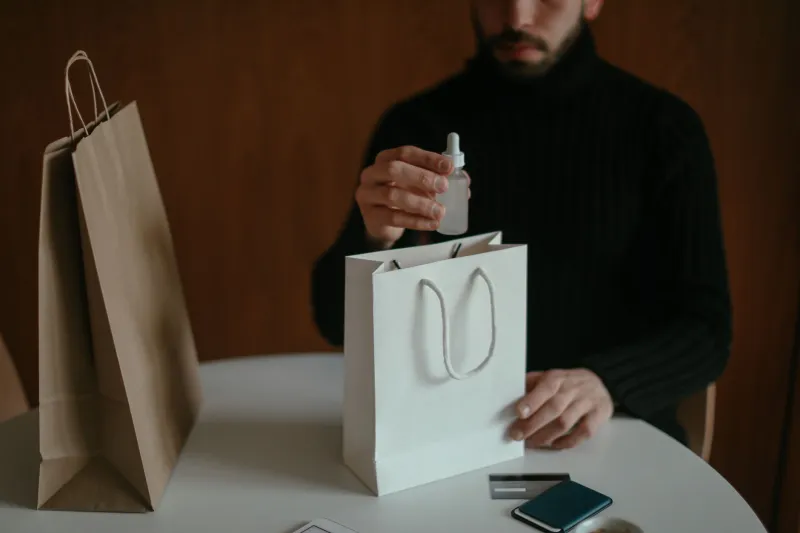
The High Cupboard Rule: A Household Storage Plan for CBD in UK Homes
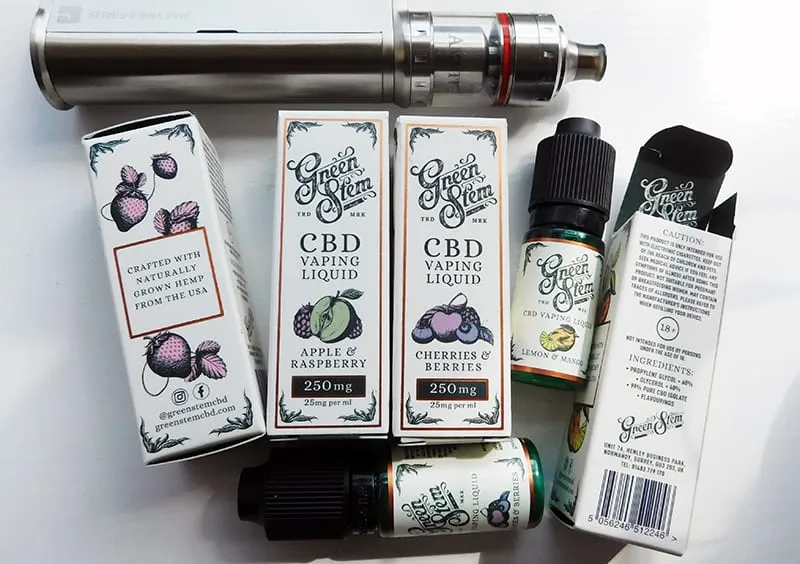
Photo: Ecig Click, CC BY-SA 2.0, via Wikimedia Commons
CBD products are often bought with the best of intentions: to support a calm evening, a measured routine or a more structured approach to everyday wellness. Yet once the parcel is opened, the bottle, tub or blister pack becomes part of the household clutter. It sits beside the kettle, in a bathroom cabinet or in a handbag. For most adults this presents no difficulty. In a home with children, pets or frequent guests, however, storage deserves a little more thought.
This is not a question of alarm. It is a question of routine. The sensible approach is to treat CBD products as you would any item that should not be consumed by accident: keep them labelled, keep them contained and keep them out of easy reach. LiveWell CBD supports responsible product guidance, and a storage plan is part of that wider picture.
Child-resistant does not mean childproof
Most UK CBD oils are supplied in bottles with a child-resistant closure. This is a useful first barrier, but it is not a guarantee. Child-resistant caps are designed to slow a child down, not to make access impossible. A determined toddler, a curious older child or an adult with limited hand strength may still manage to open one.
For that reason, the cap should be regarded as one layer of protection rather than the whole plan. Keep products in their original containers with the label intact. Original packaging carries the product name, batch details and usage information, and it helps prevent confusion if a household member or a healthcare professional needs to know what has been taken. Decanting CBD oil into an unmarked dropper bottle or a kitchen container is best avoided.
Choose height, then choose a lock
The simplest storage rule is the high cupboard rule: place CBD products in a cupboard that is above eye level for young children and difficult to reach without a step. A high kitchen cupboard or a top shelf in a locked utility cabinet is usually more suitable than a bedside drawer or a low bathroom shelf.
Height alone is not enough in every home. If children are adept climbers, or if the product is a regular part of a daily routine, a lockable storage box or a cabinet with a simple catch can add a second layer. The aim is not to create a fortress. It is to make accidental access unlikely during the ordinary comings and goings of a busy household.
It is also worth reviewing the places where products are most often left unattended: the kitchen worktop after use, the bathroom shelf, a bedside table and the bottom of a handbag. A guest's handbag can be especially tempting to a child, and a CBD oil carried in a bag should be capped and kept zipped away rather than left on a chair or floor.
Pets are part of the household too
Dogs and cats investigate by sniffing, licking and sometimes chewing. A dropped pipette, an open balm tub or a bottle left on a low table can become an unexpected object of interest. CBD products are not designed for pets unless a veterinary professional has advised otherwise, and household products should not be shared with animals.
Keep oils and balms in a closed cupboard rather than on a countertop. If a product is used in the evening, return it to storage immediately after use. Check floors and sofa cushions for loose capsules or dropped droppers, particularly in homes with puppies or cats that explore surfaces.
If a pet licks or eats a CBD product, do not wait for symptoms to become obvious and do not attempt to induce vomiting. Remove the product from reach, note the product name and approximate amount if possible, and contact a veterinary practice promptly for advice. A vet can assess the situation and tell you what to monitor. This article cannot offer veterinary advice, and a telephone call to the practice is the responsible next step.
Children, guests and accidental exposure
Children are naturally curious about bottles, pipettes and flavoured liquids. Adults should avoid taking CBD in front of young children in a way that makes the product seem like a treat or a sweet. Store it away from food and drink, and avoid leaving a bottle beside a child's cup or plate.
Houseguests can also be a consideration. A visitor may not know that a small bottle in the bathroom cabinet is a CBD product, or may mistake a capsule for an ordinary supplement. Clear labelling and a designated storage place reduce that risk. If guests are staying over, it is sensible to move CBD products out of guest rooms and shared bathroom spaces.
If a child or adult has swallowed a CBD product unexpectedly, stay calm and seek appropriate help. For urgent concerns in the UK, call 999 if someone is seriously unwell or struggling to breathe. For non-emergency advice, contact NHS 111 or speak to a pharmacist. Have the packaging available if you can, as the label and batch information may be useful. Do not rely on internet forums or general articles for individual medical decisions.
A five-minute storage check
A practical household check need not take long. Gather all CBD products in one place and ask a few simple questions. Are they in their original containers? Are the caps secure? Are they stored above the reach of children and away from pet beds or feeding areas? Is there a lock or catch where needed? Are any products past their best-before date or unlabelled?
Once the check is complete, choose a single storage location and return products there after each use. Consistency matters more than an elaborate system. A high cupboard with a lockable box inside is often enough. The goal is to make accidental exposure less likely without making ordinary use inconvenient.
CBD may be part of a calm and considered routine, but responsible storage is part of that same routine. In a shared UK household, a little forethought around caps, heights and habits goes a long way.