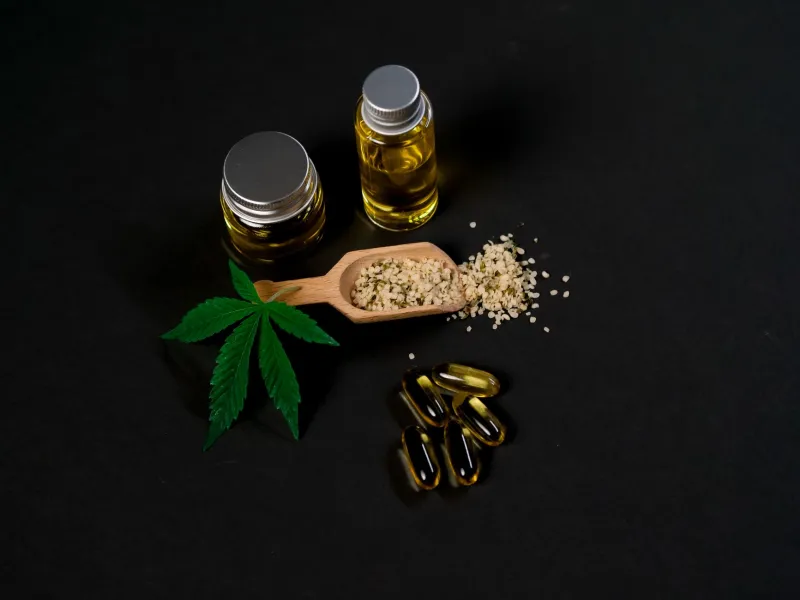
The Shelf Audit: CBD and Prescribed Medicines in the Same UK Household

Photo: Dave Hitchborne, CC BY-SA 2.0, via Wikimedia Commons
CBD has moved from specialist counters into ordinary UK homes. It may arrive as an oil beside a toothbrush, a balm in a gym bag or a capsule next to the weekly pill organiser. When prescribed medicines already occupy that space, the household routine deserves more than a quick glance at a label. This guide is not medical advice and does not suggest that CBD treats or replaces any prescribed treatment. It is a practical shelf audit for readers who want to be organised, cautious and honest with the health professionals who know their history.
Start With the Full Shelf, Not the Single Bottle
A common mistake is to treat CBD as a separate category from the rest of the bathroom cabinet. In practice, a pharmacist or GP needs the whole picture: prescribed medicines, over-the-counter remedies, supplements, and any CBD product used regularly or occasionally. That includes products that seem incidental, such as a balm applied to a sore shoulder or a drink taken at the weekend.
The first step is therefore a simple inventory. Gather the original packaging for every prescribed medicine and every CBD item in the house. Note the product name, strength, batch number where visible, and how often it is used. Keep the patient information leaflet with the medicine rather than recycling it immediately. If a product was bought online, save the order confirmation and the batch details; an email folder is enough. The aim is not to become a self-appointed clinician but to make the household record accurate when questions arise.
Why the Pharmacist Needs the Whole Picture
Community pharmacists in the UK are well placed to review a medicine list, including products bought without a prescription. They can flag potential interactions, duplicate ingredients or timing issues that a household may not have considered. They can also explain whether a new symptom is worth raising with a GP.
It is reasonable to say plainly: I am using this CBD product alongside these prescribed medicines. Can we review the list together? Take the packaging if possible. Mention the amount and frequency, not just the brand. If the CBD product is new, say when it started. If it has been used for months, say that too. The conversation should include prescribed medicines that carry warnings about grapefruit, alcohol or drowsiness, because those details can matter when building a full picture.
This is also the point to separate evidence from marketing. A product page may make broad wellness claims, but a pharmacist can focus on the label, the concentration and the medicine list. Most high-street CBD products are sold as food supplements rather than licensed medicines, so the label and batch information are central. A certificate of analysis is useful, but it is not a substitute for professional advice about a prescribed medicine.
A Label-Reading Habit That Travels
Labels are not glamorous, but they are portable. Read the CBD label for the amount per dose, the carrier oil, any added flavourings or minor cannabinoids, and the recommended daily maximum. Read the prescribed medicine label for timing, food instructions and warnings. Then compare the two in plain language: is anything being taken at the same time, at the same dose, or with the same expectation?
A useful household rule is to keep CBD in its original container and away from unlabelled dropper bottles. If a product is decanted for travel, label the smaller container with the product name and strength. Keep products out of reach of children and pets, and store them as the label directs. In a shared home, tell at least one other adult where the medication list is kept. This matters in an emergency and during routine reviews.
The Medication-and-CBD Diary
A diary does not need to be elaborate. A single page or a notes app entry can record the date, the product used, the amount, the time and any noticeable change. Include prescribed medicines only as a reference, not as a invitation to self-adjust. The value of the diary is pattern-finding: it gives a pharmacist or GP something concrete to review rather than a vague recollection.
Keep entries factual. Instead of writing that a product worked or did not work, note what was observed: sleep timing, appetite, drowsiness, headache, stomach discomfort or anything unusual. Record changes to prescribed medicines separately. If a new CBD product is added, change only one thing at a time where possible. That makes the diary more useful and reduces the chance of attributing a change to the wrong product.
When to Pause and Ask
There is no universal rule that fits every household, but caution is sensible when a new or worsening symptom appears after starting CBD, when a prescribed medicine is also new, or when the amount of CBD changes. Drowsiness, dizziness, unusual bruising, stomach upset or a noticeable change in mood should be discussed with a pharmacist or GP rather than worked out online.
Do not stop or alter a prescribed medicine without advice. If a medicine is missed or a dose is uncertain, use the patient information leaflet and contact a pharmacist. For suspected adverse reactions, the UK Yellow Card scheme allows patients and healthcare professionals to report concerns to the MHRA. That route is not a substitute for urgent care, but it helps the wider safety picture.
Evidence, Marketing and the Quiet Middle
The CBD market is noisy. Some brands imply that a bottle belongs in every routine; others imply that scepticism is the only reasonable position. A balanced household approach sits in the middle. It asks what the product is, how it is used, what the label says and whether the person taking prescribed medicines has told a professional. It does not treat a certificate as proof of effectiveness, and it does not treat a lack of licensed status as proof of danger.
A practical test is to write down the claim that prompted the purchase and then ask what evidence would change your mind. If the answer is only a testimonial or a lifestyle photograph, the claim is marketing. If the answer involves a batch report, a clear dose and a pharmacist review, the household is on firmer ground.
A Household Routine Worth Keeping
Review the shelf every few months, or whenever a prescribed medicine changes. Replace expired products, check that labels are legible and update the diary with any new addition. The routine is modest: one list, one conversation, one diary and a willingness to pause. In a UK household where CBD and prescribed medicines share a bathroom, that quiet discipline is more valuable than any dramatic promise on a bottle.