The Plot Thickens: A Gardener’s Sceptical Guide to CBD Balms After a Heavy Weekend
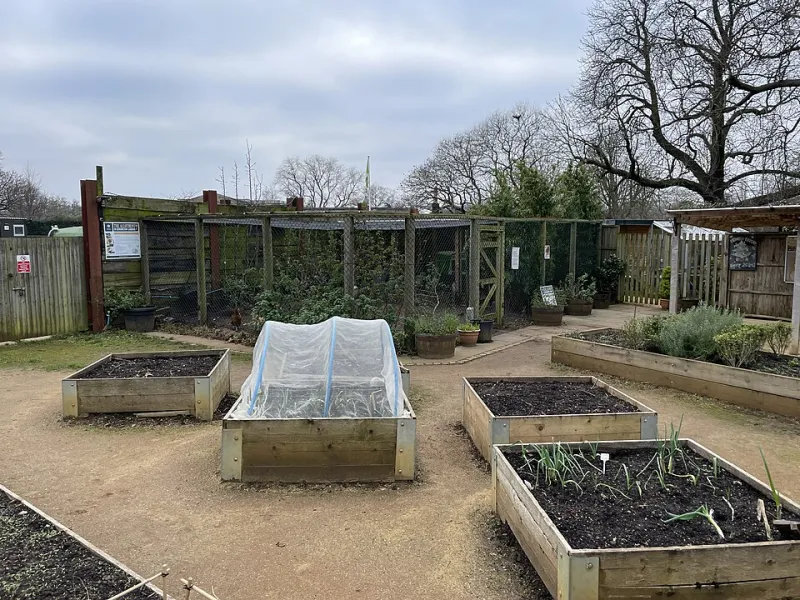
Photo: Mr Ignavy , CC BY-SA 2.0, via Wikimedia Commons
On a damp Saturday in November, the allotment asks a great deal of the lower back. There is the clay-heavy bed to turn over, the apple tree to prune, the compost bay to empty and the leaf mould to barrow across wet grass. By Sunday evening, the aches have usually settled into a familiar map: knees, shoulders, the base of the spine and the grip of the hands. It is at this point that many gardeners reach for a CBD balm. The appeal is understandable. The evidence, however, deserves a cooler look.
This guide is not a product review. It is a practical framework for judging CBD topicals against a British gardening weekend, with realistic expectations and a simple log. CBD is one small component of recovery. Stretching, hydration and rest remain the foundations.
What a CBD balm can and cannot do
CBD topicals are applied to the skin and are usually classed as cosmetics in the UK. They are not medicines and should not be presented as cures for arthritis, joint disease or injury. The scientific evidence for topical CBD in everyday muscle soreness is limited and mixed. A balm may feel soothing because of its carrier, massage and cooling ingredients; cannabidiol itself may contribute to a pleasant ritual, but it is not a substitute for clinical care. It will not “reset” a strained back or repair cartilage. If pain is sharp, persistent, accompanied by swelling or numbness, or lasts more than a few weeks, speak to a pharmacist or GP.
Reading the tube before the trowel
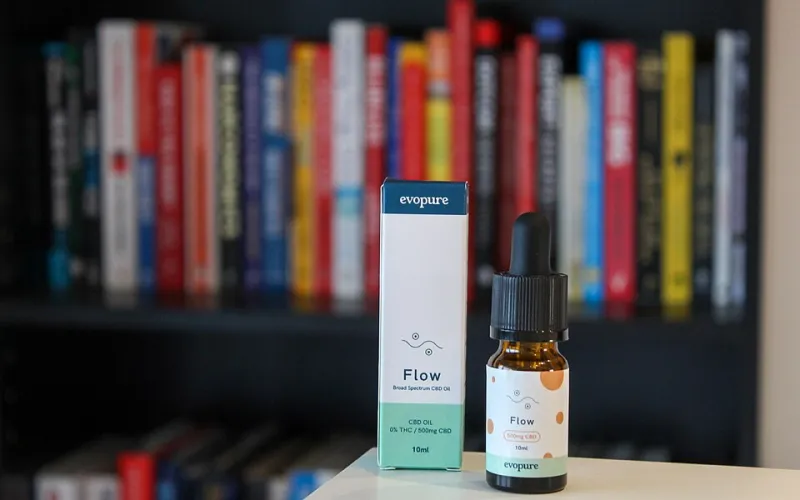
UK shoppers should treat the label as the starting point. Check the amount of cannabidiol in milligrams and compare it with the tube size in millilitres or grams. A large tube with a small CBD figure may be mostly carrier. Look for the batch number and, where available, a certificate of analysis. Distinguish cannabidiol from hemp seed oil: the latter is a skincare ingredient and contains little or no CBD. Note whether the product is isolate or full spectrum, though this is less important for a cosmetic balm than clear labelling and consistency.
Scan the inactive ingredients. Menthol, camphor, capsaicin and strong essential oils can create a powerful sensation that is easily mistaken for efficacy. They can also irritate sensitive skin. Avoid products with vague claims, undisclosed “proprietary blends” or language that implies medical treatment. Check the expiry date and storage advice. Do not apply to broken, cracked or infected skin, and patch-test a small area 24 hours before wider use. Keep the balm away from eyes and mucous membranes, and wash hands after application. If you are pregnant, breastfeeding, taking medication or under medical care, seek advice before using any new topical product.
The plot ache index
A useful way to judge a balm is to record the task, not just the product. The following index is a simple planning tool, not a clinical scale.
| Allotment task | Common ache site | Typical intensity | What a balm may reasonably offer |
|---|---|---|---|
| Digging heavy clay | Lower back, forearms | Moderate to high | Temporary comfort and a reason to pause |
| Pruning established trees | Shoulders, neck | Moderate | A soothing massage effect |
| Hauling compost | Lower back, grip | Moderate to high | Localised cooling or warmth |
| Raking and leaf mould | Shoulders, upper back | Low to moderate | A pleasant post-task ritual |
The index is deliberately modest. It reminds gardeners that the task caused the ache, and the task also influences recovery. A balm applied after four hours of barrowing will not undo the load. It may, however, fit into a sensible wind-down.
A simple ache-and-application log
For one weekend, keep a short record. It takes two minutes and replaces guesswork with pattern. Record the date, the main task, the area treated, the product and amount, the time of application, the sensation on application, the next-morning rating and any confounding factors. Confounders matter: poor sleep, dehydration, a new pair of boots, a long drive or anti-inflammatory medication can all change how the weekend feels.
| Date | Task | Area | Product / amount | Time | Sensation | Next morning | Confounders |
|---|---|---|---|---|---|---|---|
| Sat 7 Nov | Digging bed 3 | Lower back | Balm A, pea-sized | 18:30 | Mild cooling | Slightly easier | Poor sleep |
After two or three weekends, patterns may emerge. If the balm is pleasant but the ache is unchanged, adjust the recovery routine rather than buying a stronger tube. If irritation appears, stop using it. If the ache is worsening despite rest, seek advice.
Recovery is a stack, not a tube
The most reliable post-gardening measures are unglamorous. Warm up before heavy digging, lift with bent knees, alternate tasks and take breaks. Drink water, eat a proper meal and sleep. Gentle stretching after the plot, once the body is warm, can ease stiffness. A hot bath or shower may help muscles relax. Over-the-counter pain relief should be used according to the label and pharmacist advice. For persistent problems, physiotherapy or a GP assessment is more appropriate than another topical.
The practical verdict
A CBD balm can be a reasonable addition to a gardener’s recovery kit if it is clearly labelled, used sparingly and understood as comfort rather than cure. Buy from a reputable UK retailer, check the CBD content and batch information, patch-test, and keep a log. Judge it against the weekend, not the marketing. The best result is not a miracle after a muddy-knee Saturday; it is a calmer Sunday evening and a sensible return to the plot on Monday.