The Star Average Is a Borrowed Opinion: Reading CBD Reviews With UK Caution

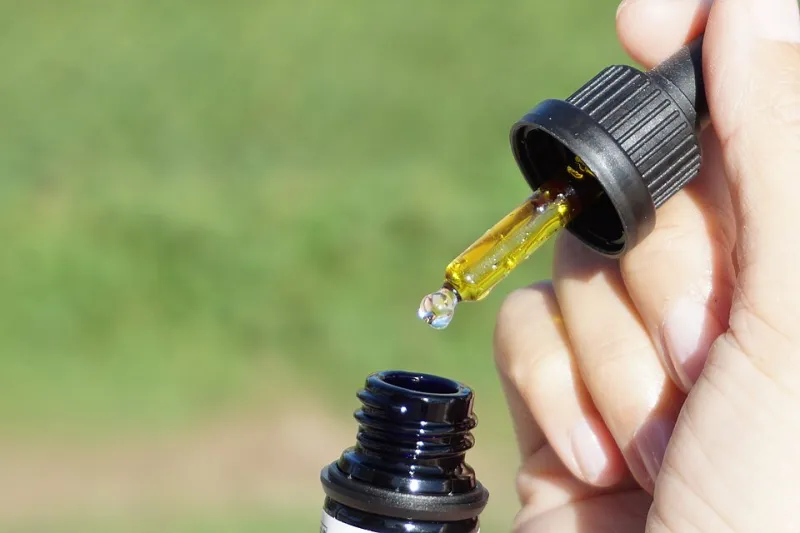
Photo: don cload., CC BY-SA 2.0, via Wikimedia Commons
A Rating Is a Summary, Not a Substance
On a UK CBD product page, the star average often arrives before the ingredients list, the batch information or the delivery details. It is designed to be the first thing the eye lands on: a compact number that appears to settle a complicated question. In practice, it settles very little. A rating is a summary of other people’s impressions, filtered through an unknown process, at an unknown time, for an unknown reason. It is not a test of the product in front of you.
That does not make reviews worthless. It makes them a weak signal. Reviews can reveal how a bottle behaves in a kitchen cupboard, whether a pump dispenser arrives broken, or whether a flavour is widely described as bitter. They can also reveal almost nothing about the things that matter most to a careful CBD shopper: the batch, the format, the duration of use and the context in which someone formed an opinion.
The practical response is not cynicism. It is sequencing. Read the review section after the product facts, not before them, and treat the star average as a question to investigate rather than an answer to accept.
Where Praise Can Become Borrowed
Many review sections contain genuine, ordinary comments from people who bought something and wanted to say so. They also contain material that is harder to read: incentivised reviews, imported praise, duplicated phrasing and ratings that seem to have arrived in a cluster. None of these automatically means a product is poor. They do mean the review section is not a clean sample of independent experience.
Look for language that signals an incentive. Phrases such as “received this product free”, “part of a testing panel” or “kindly sent for review” are not hidden confessions; they are context. A free product can still be reviewed honestly, but the reader is entitled to weigh that context. The same applies to reviews that read like marketing copy: repeated phrases across different names, identical sentence structures, or a sudden run of five-star comments posted within a short window.
UK consumer law and advertising standards expect reviews to be genuine and presented fairly, but shoppers should not rely on a regulator to do the reading for them. A useful habit is to sort reviews by date rather than by rating. A product with a long history and a steady trickle of mixed comments is often more informative than one with a perfect score and a short, intense burst of praise.
The Missing Details That Matter
A glowing review can be entirely sincere and still be useless to the next shopper. “Love it” tells you that one person liked something. It does not tell you which strength, which flavour, which bottle size or which batch they used. It does not say whether they used it for a week or a year. It does not say whether they were reviewing the oil, the capsules or the balm, or whether the review was attached to the right variant at all.
When reading CBD reviews, hunt for the details that make an experience repeatable. Did the reviewer name the format? Did they mention the batch code or best-before date? Did they describe how they stored it? Did they say whether the dropper or pump worked after a few weeks? Did they compare it with another product they had actually used? A review that includes these details is not automatically more trustworthy, but it is more checkable.
Be equally wary of reviews that make sweeping health claims. CBD products are not medicines, and individual anecdotes about sleep, stress or discomfort are not clinical evidence. A review section is not a substitute for advice from a pharmacist or doctor, particularly for anyone taking prescribed medication or managing a health condition.
Why Negative Reviews Deserve a Fair Hearing
The lowest-rated comments are often skimmed for entertainment rather than information. That is a mistake. Negative reviews frequently contain the practical detail that positive reviews leave out. A one-star comment about a leaking cap, a pump that failed after ten days, a taste that was unexpectedly strong or a batch that looked different from the last order may be more useful than a dozen unqualified compliments.
Read for patterns rather than isolated complaints. One person finding a flavour unpleasant is ordinary variation. Several people describing the same packaging fault is a product design issue. One reviewer saying delivery was slow is a courier problem. A run of comments about poor customer service, missing batch information or a product that did not match its description is a different matter.
It is also worth reading the seller’s responses. A calm, specific reply that addresses a batch query or a returns issue says something about how the business operates. A defensive or generic response says something too.
A Short Checklist for a Calmer Shortlist
Before allowing a star average to shape a shortlist, try the following:
- Read the product facts first: format, strength, batch information, ingredients and storage advice.
- Sort reviews by newest and by lowest rating, not by “most helpful” alone.
- Look for reviews that name the exact variant and batch, and that describe a realistic period of use.
- Treat incentivised reviews as context, not disqualification.
- Notice clustered dates, duplicated phrasing and vague five-star comments.
- Search negative reviews for repeated practical faults rather than one-off preferences.
- Check whether the seller responds to specific problems with specific answers.
- Keep a shortlist of two or three products and compare their labels directly, rather than letting one rating decide.
The review section is a conversation beside the product, not the product itself. It can tell you how a bottle travelled, how a flavour landed or how a company behaves when something goes wrong. It cannot tell you whether a batch suits you, whether the format fits your routine or whether the label is clear. Those judgments belong to the label, the batch information and your own measured experience. A star average is a borrowed opinion. Use it as a prompt to look closer, not as a substitute for looking at all.