When the Pouch Outlives the Bottle: Judging CBD Refills for UK Households

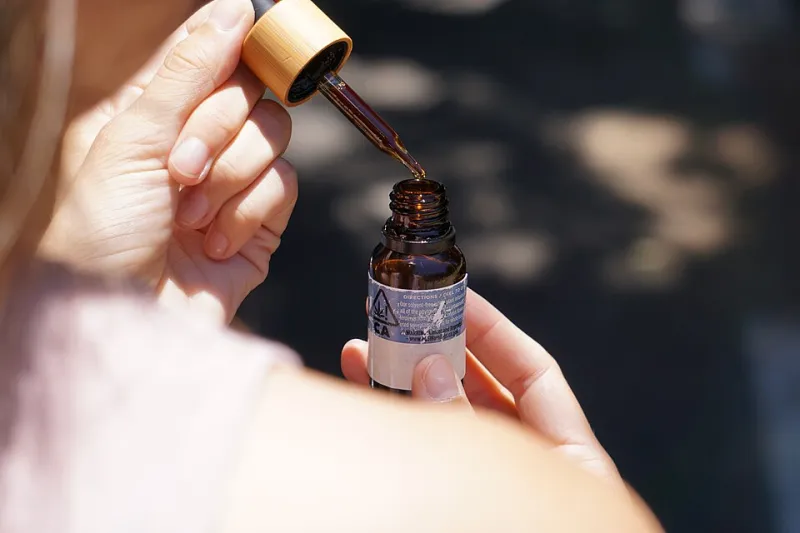
Photo: refillable amber glass dropper bottle CBD oil on UK kitchen counter with recycling bin, via i.pinimg.com
Refillable packaging has an appealing logic. A sturdy bottle, a pouch of top-up oil and a household that keeps the original label sounds like a modest win for the cupboard and the bin. For CBD shoppers in the UK, however, the practical question is less poetic: does the refill suit the way you actually store, measure and finish a product? A refill that saves plastic but muddles batch information, or that costs more per dose than a fresh pack, is not automatically the greener or better choice. This guide treats refills as a household routine, not a virtue signal.
Start with the container you can live with
CBD oils, capsules and balms are not decorative kitchen items. They need sensible storage, usually somewhere cool and dry, away from direct sunlight and out of reach of children and pets. A refill pouch may be compact, but it can be awkward to decant without spillage, especially if the original bottle has a narrow neck or a pipette. A large refill container may also take up more shelf space than a small original pack, which matters in a UK kitchen where cupboard room is often contested.
The first test is therefore mundane: can you transfer the product cleanly, close it securely and still read the information you need? If the answer is no, the refill has already failed at home before any environmental comparison begins.
The label is part of the package
In the UK, the label is not just branding. For CBD products sold as food supplements, shoppers should expect clear information about ingredients, CBD content, batch identification, best-before date and any advisory wording. When a product is decanted into a reusable bottle, that information can easily be separated from the product itself. A refill scheme that expects you to pour oil into an unlabelled container is asking you to lose traceability.
Before buying a refill, check whether the scheme supplies a replacement label, whether the batch code on the refill matches the label, and whether the best-before date is still visible. Photographing the original label is a sensible backup, but it is not a substitute for a proper label on the container. If the refill pouch arrives with only a shop sticker and no batch details, treat that as a gap in the offer rather than a minor inconvenience.
Recycling rules are local, not national
Packaging claims can sound universal, but household recycling in the UK is shaped by local council rules. Glass bottles may be collected at kerbside in many areas, while pumps, droppers, mixed-material caps and flexible pouches often are not. A pouch described as recyclable may still need a specialist drop-off point, and those points are not evenly distributed. Before choosing a refill for environmental reasons, check the council's current guidance for the specific material and format.
There is also a difference between a refill that genuinely reduces packaging and a refill that simply shifts the waste burden. A returnable container system with clear collection points and label replacement is a more credible improvement than a single-use pouch that cannot be recycled locally. Shoppers should look for specifics: what the pack is made from, how it should be disposed of and whether the retailer takes it back. Vague words such as eco-friendly or green are not a disposal instruction.
Cost per dose, not cost per bottle
A refill may appear cheaper because the headline price is lower, but the useful comparison is cost per dose. That requires a consistent measure, whether that is a stated number of drops, capsules or applications. If the refill changes the concentration, the pipette size or the recommended serving, a simple price comparison can mislead.
There are hidden costs too. A new pump, dropper or storage bottle may be needed. If the refill is so large that it expires before you finish it, the saving is theoretical. If you abandon the product halfway through because the format does not suit your routine, the cost per used dose rises sharply. For occasional users, a smaller new pack may be the more economical choice even if the refill looks better value on the shelf.
Genuine improvement or green-sounding marketing
A credible refill scheme tends to be specific. It explains the material, the take-back route, the label arrangements and the batch traceability. It may offer a clear price per dose and a straightforward way to return containers. Those details are more useful than a leaf motif on the pouch.
Be cautious when a refill is tied to a subscription before you know whether the product suits you. A repeat-buy model can encourage stockpiling, which is rarely sensible for oils with a limited shelf life. Be equally cautious of refill pouches that cannot be cleaned, cannot be recycled locally and cannot carry a proper label. Those are packaging changes, but not necessarily packaging improvements.
A practical checklist before you choose
- Has the first pack been finished, or are you buying a refill out of enthusiasm rather than routine?
- Can you store the refill correctly, away from heat, light and children or pets?
- Does the refill container have a secure closure and a practical way to measure the product?
- Will the batch code and best-before date remain attached to the container?
- Does the retailer supply a replacement label or clear instructions for keeping traceability?
- Is the pack recyclable through your local council, or does it need a specialist drop-off?
- Have you compared cost per dose, not just the price on the page?
- Are there extra costs for pumps, droppers or storage bottles?
- Is the refill size realistic for how often you actually use the product?
- If the product is not part of a settled routine, would no repurchase be the more honest choice?
The last question matters. Refills are designed for repeat buyers, but not every CBD product earns a repeat purchase. If the first pack did not fit your day, a refill simply moves the unused product from a small bottle to a larger one. In 2026, UK shoppers have more packaging choices than before, but local recycling, label rules and household habits still vary. The sensible approach is to judge a refill as you would any other CBD purchase: by what it contains, how it fits your routine and what happens to the packaging after the last dose.