Before the First Mile: CBD, Driving and the Limits of a Label Check
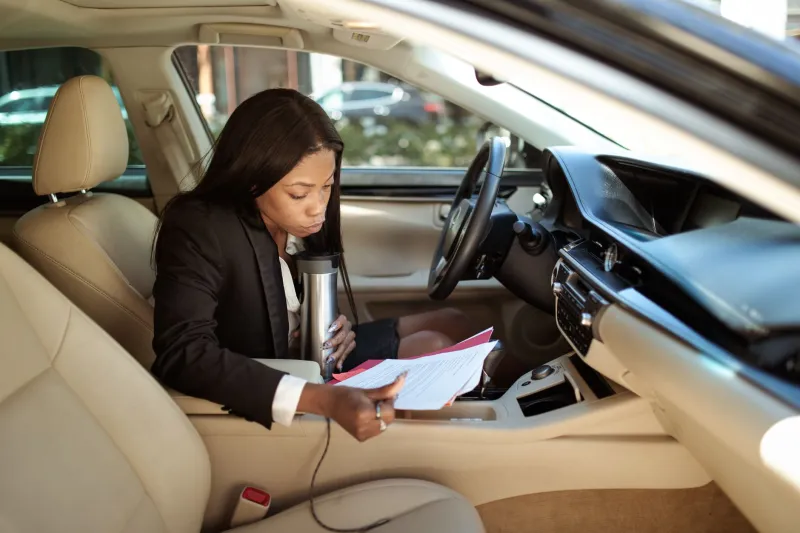
CBD is now part of the ordinary British wellness shelf: oils beside vitamins, capsules in the kitchen drawer, balms in the gym bag. That familiarity can make the driving question feel smaller than it is. For a UK driver, the relevant test is not whether a product is sold in a reputable shop or described as gentle. It is whether the driver is fit to be on the road, and whether the product and routine have been considered with the same care as any other substance that might affect alertness.
The law looks at fitness and at THC, not at marketing language
UK drug-driving law gives police powers to deal with drivers who are impaired and, separately, with drivers over specified limits for certain controlled drugs. THC is one of those drugs. CBD is not THC, but the distinction on a label is not a guarantee about a bottle. CBD products can contain trace amounts of THC, and batch-to-batch variation is one reason a certificate of analysis matters. A driver who feels impaired should not drive, even if the product is marketed as CBD only. The phrase 'it's only CBD' carries no special legal protection; if someone's driving or condition falls below the required standard, the label is unlikely to be the deciding factor.
This is not a reason to treat every CBD user as a suspect. It is a reason to avoid treating a CBD purchase as a private experiment that has no bearing on the commute.
What a label check can realistically achieve
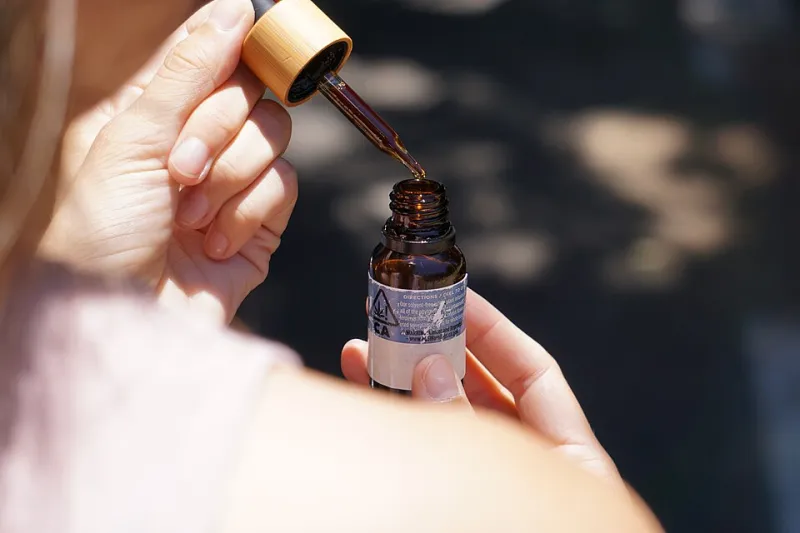
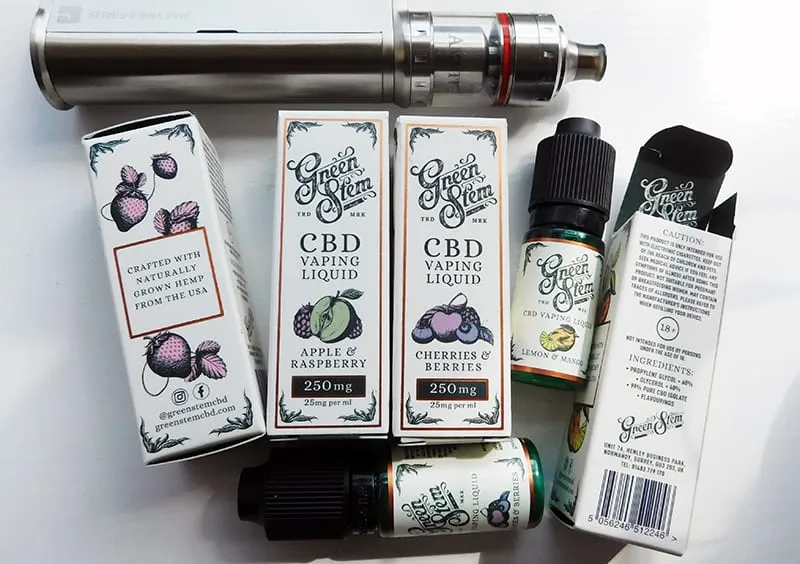
A label check is a starting point, not a clearance certificate. UK shoppers can reasonably look for a batch number, a clear cannabinoid profile and a certificate of analysis that matches the pack in their hand. The presence of a THC result is more useful than a vague promise that a product is 'THC-free', because it allows a reader to see what was tested and when. A certificate for a different batch, or a website graphic with no batch reference, tells a driver very little about the bottle on the shelf.
Even a low reported THC content is not proof that an individual will feel no effect. Dose, format, frequency, body weight, liver metabolism, sleep, alcohol and prescribed medicines all matter. A label can describe a product; it cannot describe the person taking it or the circumstances of a particular morning.
Timing the routine around the journey
Drivers often ask how long to leave between CBD and driving. There is no universal waiting time that can be applied neatly to every product and every person. A cautious routine is therefore more useful than a hopeful calculation. Do not try a new CBD product for the first time before a journey. Keep a simple record of what was taken, when and how much. Where regular use is part of a wellness routine, place it after the day's driving rather than before it whenever that is practicable. Avoid combining CBD with alcohol or with medicines that can cause drowsiness without first taking advice. If you feel drowsy, dizzy, slowed or otherwise not yourself, do not drive.
These habits do not make CBD 'safe for driving' in a legal sense. They reduce avoidable uncertainty and keep the decision where it belongs: with the driver's fitness on the day.
The commute is not a testing ground
A morning commute is a poor setting for experimentation. It tends to combine time pressure, weather, cyclists, school traffic and a route that rewards full attention. If a driver is introducing CBD, a day when driving is not required is the more sensible starting point. Where that is not possible, it is worth speaking to a pharmacist before beginning and keeping the first few days as free of driving as circumstances allow. A routine that only works when nothing unexpected happens is not a robust routine.
The pharmacist question
A pharmacist can help with the part of the decision that a label cannot answer. Bring the pack, the certificate if you have it, and a list of any prescribed or over-the-counter medicines. Ask about possible interactions, sedation and whether the product is appropriate alongside existing treatment. A pharmacist cannot certify a person as fit to drive, but they can help identify avoidable risk and advise on medicines that may affect alertness.
A pre-ignition check
Before adding CBD to a day that includes driving, a short check is more useful than a long reassurance:
- Confirm the batch number and check whether the certificate of analysis refers to that batch.
- Read the THC result rather than relying on a 'THC-free' claim.
- Note any prescribed medicines, alcohol, poor sleep or illness that could affect alertness.
- Avoid first use before driving, especially on a long or unfamiliar journey.
- Have a backup plan in case you do not feel fit to drive.
- If there is any doubt about impairment, do not drive.
Where official guidance fits
Drivers should treat GOV.UK drug-driving guidance and NHS information on CBD as the starting points, not as background reading to be skimmed after a purchase. Neither source will provide a personalised timetable for a bottle, because no such timetable exists. The practical conclusion is more modest and more defensible: read the batch information, ask a pharmacist about medicines and interactions, avoid testing a new product before a journey, and keep the final decision anchored in fitness rather than in the phrase 'only CBD'.
For UK drivers, that is the sceptical position worth holding. A label can inform a decision. It cannot take responsibility for the first mile.